Plant identification
How to identify a houseplant from a photo
By Bloom team · Published · Updated
An unlabeled plant is a small mystery. A clear photo can give you a starting point, and a few extra observations help you decide whether a suggested name fits.
Start here
Start with the whole plant, then look closely at leaves and stems. Treat an app result as a candidate to check.
A few familiar faces
Identify common houseplants by their leaves
Does one look familiar? Compare the leaf shape and the way the plant grows. These eight examples are a starting point; varieties and young plants can look different.
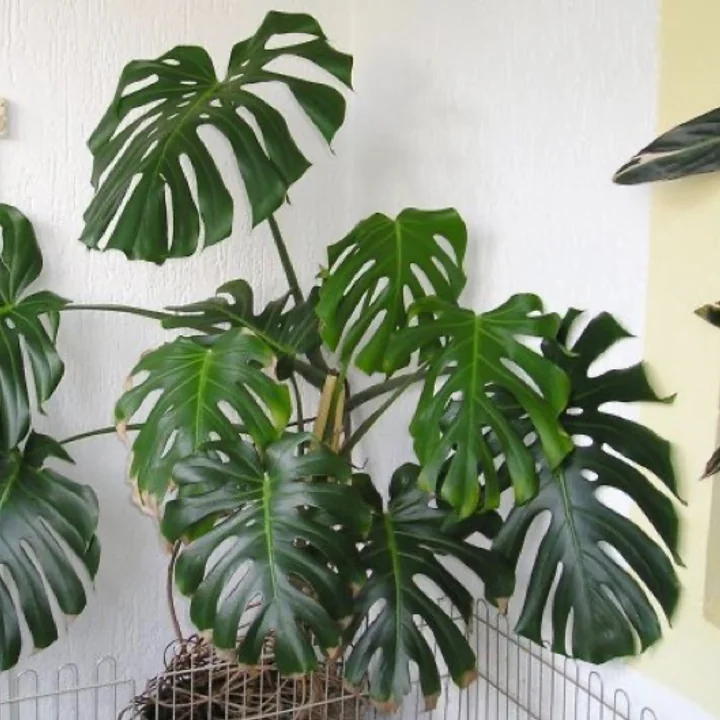
Monstera
Monstera deliciosa
Large leaves with deep splits and holes as they mature. Young leaves can be whole.
Check the plant description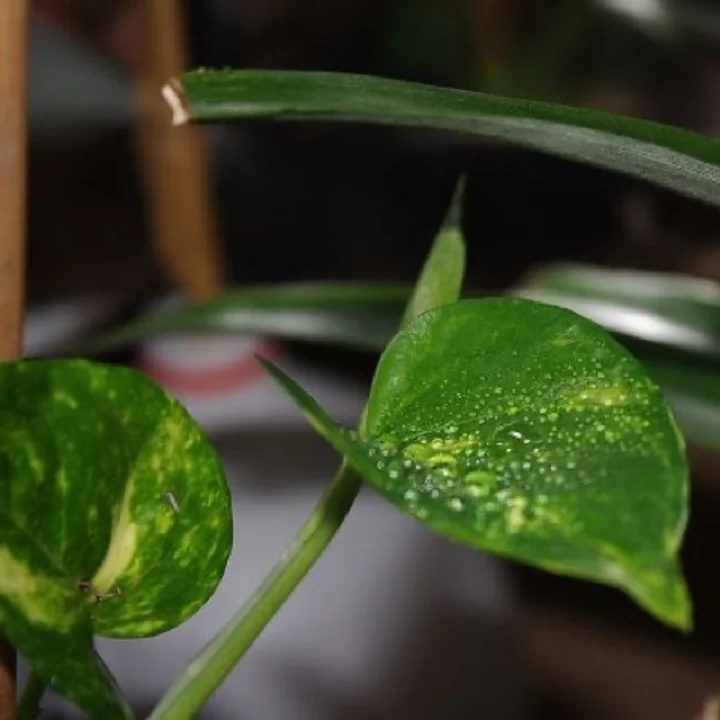
Golden pothos
Epipremnum aureum
Heart-shaped leaves with yellow markings on a trailing or climbing vine.
Check the plant description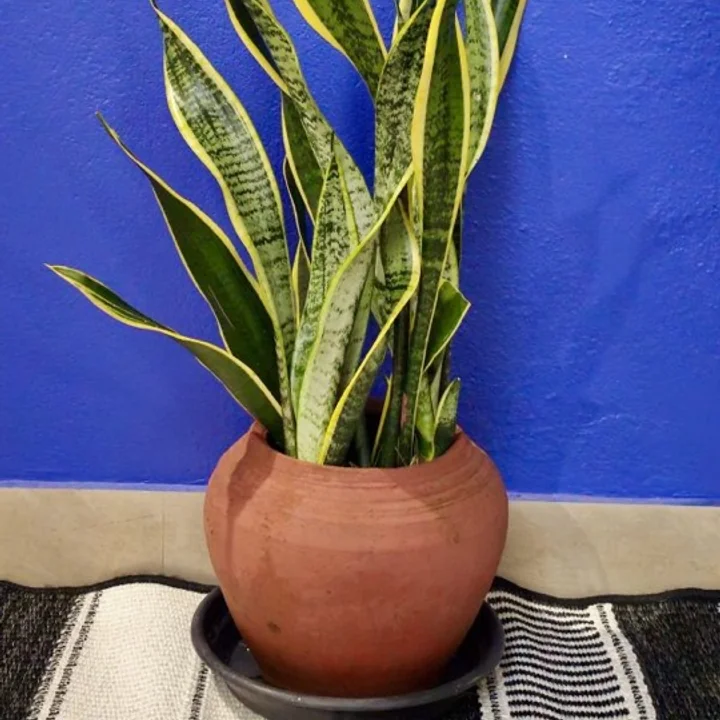
Snake plant
Dracaena trifasciata
Firm, upright, sword-shaped leaves. This variety has pale bands and yellow edges.
Check the plant description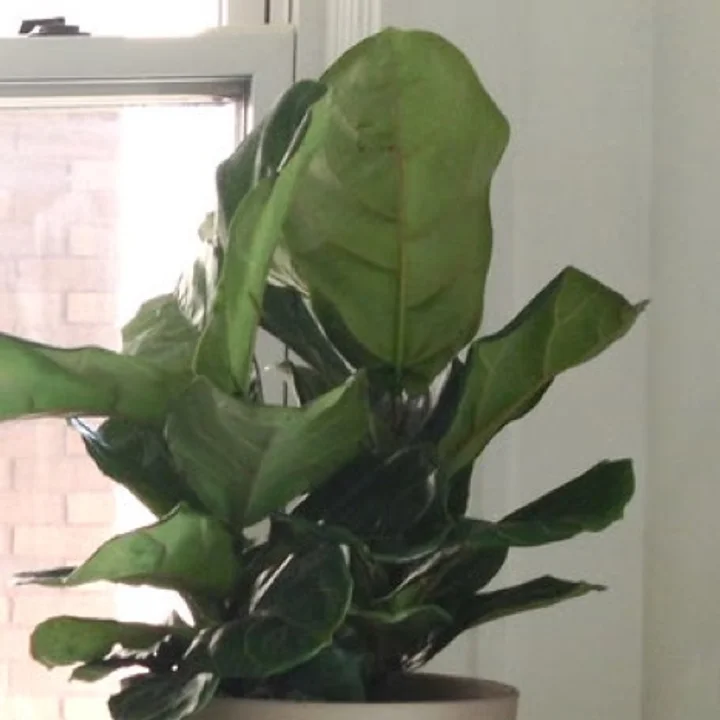
Fiddle-leaf fig
Ficus lyrata
Broad leaves that narrow toward the middle, with a strong network of visible veins.
Check the plant description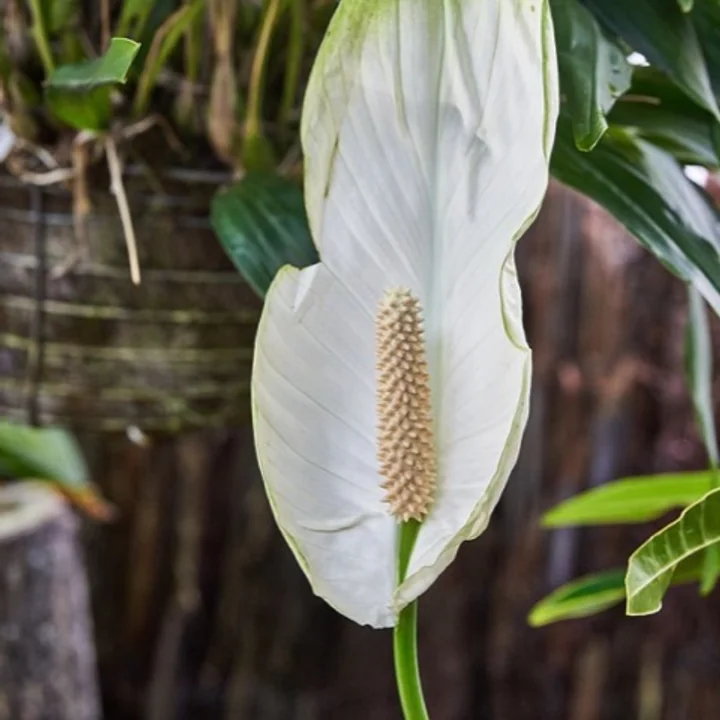
Peace lily
Spathiphyllum
Glossy, pointed leaves. When in bloom, a white leaf-like bract surrounds the flower spike.
Check the plant description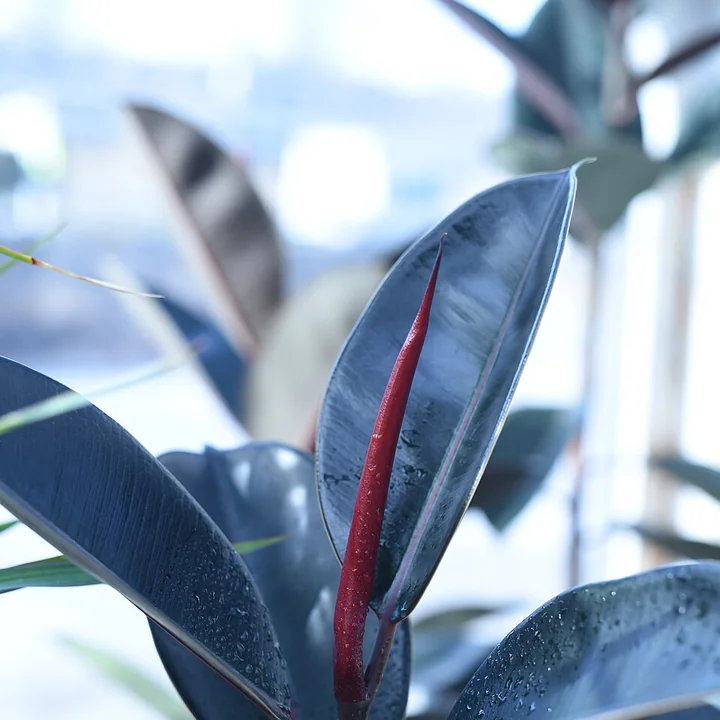
Rubber plant
Ficus elastica
Thick, glossy, oval leaves. A reddish covering can enclose the new growth.
Check the plant description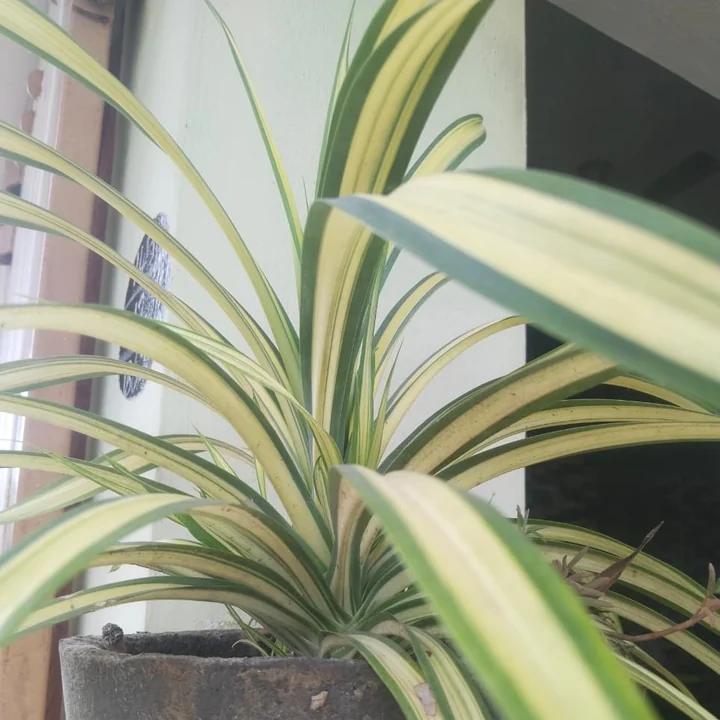
Spider plant
Chlorophytum comosum
Narrow, arching leaves in a fountain-like clump. Many varieties have pale stripes.
Check the plant description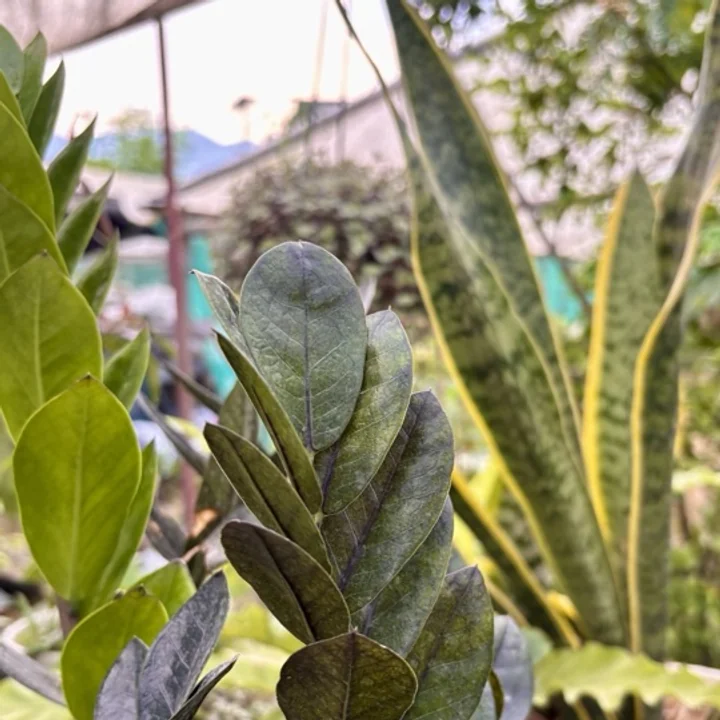
ZZ plant
Zamioculcas zamiifolia
Glossy oval leaflets arranged along sturdy, upright leaf stalks.
Check the plant descriptionPlant descriptions: NC State Extension’s Plant Toolbox. Photos from Bloom’s existing plant library; see photo credits. Photos have been cropped and resized.
Take a useful set of photos
- Clean the camera lens and choose an in-focus image with the plant well lit, rather than silhouetted against a bright window.
- Take one photo of the whole plant so its overall shape is visible.
- Add a close view of a leaf, its underside and where it joins the stem. Include flowers or buds if present.
- Keep the clearest photos from a few angles. A ruler beside a detail can provide scale when asking someone for help.
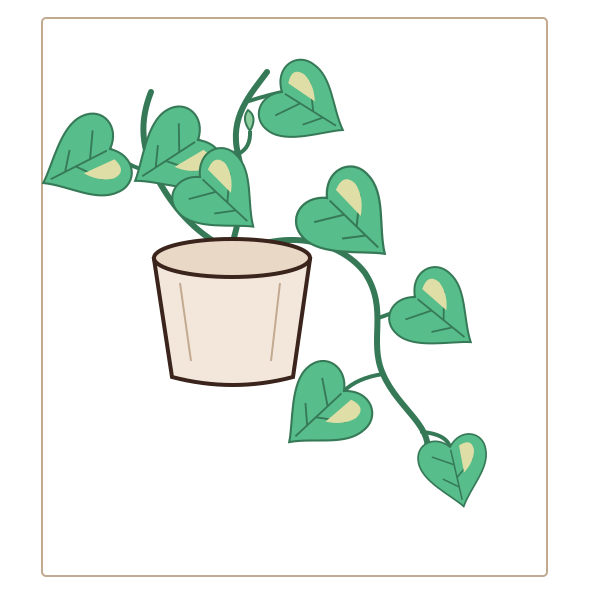

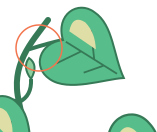

Illustrations show useful camera views. They are not photographs for confirming a species.
Compare more than the leaf color
Leaf shape, edges, veins and the way leaves are arranged along a stem are useful identifying features. Compare those details with a reliable description of the suggested plant.
Write down both the suggested name and the features you can actually see. If an important feature does not fit, keep the identification open instead of forcing a match.
Sources: Vegetative plant parts.
A lookalike example: pothos and heartleaf philodendron
Both are familiar trailing houseplants. Illinois Extension points to new growth as one useful clue: philodendron leaves emerge from a separate thin sheath, called a cataphyll, while new pothos leaves extend from an existing leaf. A close view of that new growth can be more helpful than another distant photo.
This is one comparison clue, not a universal plant-identification shortcut. Use several matching features before settling on a name.
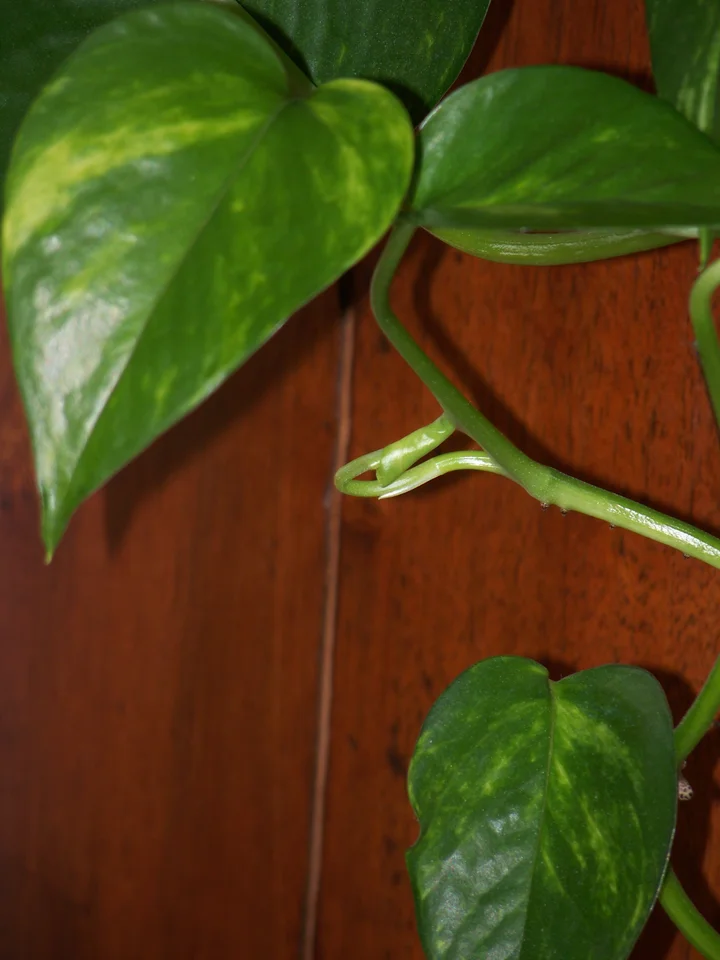
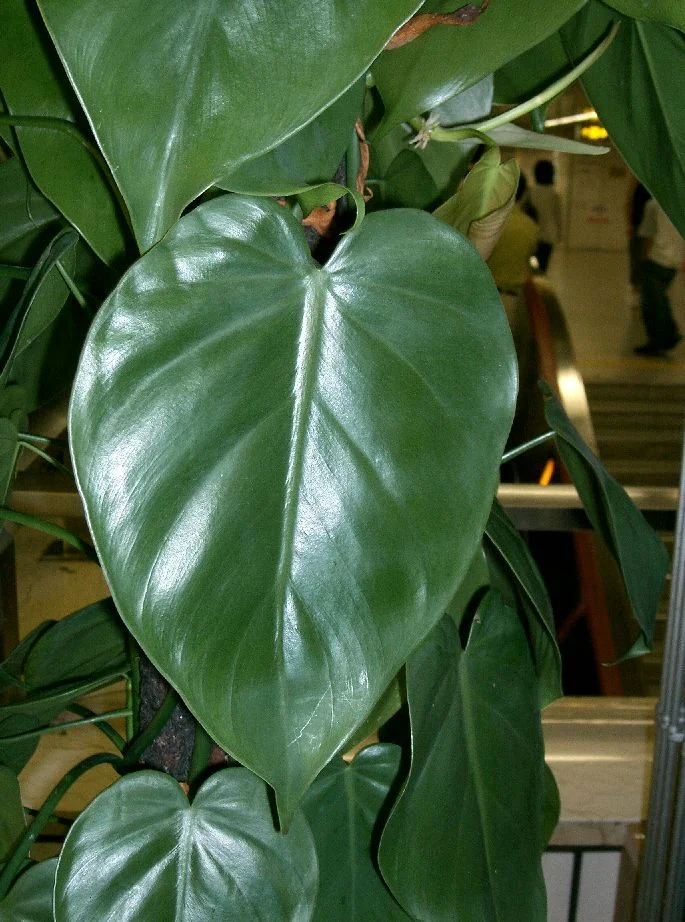
Photos: Asabengurtza and KENPEI / Wikimedia Commons, CC BY-SA 3.0. Resized and encoded as WebP. Sources and licenses.
Sources: Popular houseplants: Is it philodendron or pothos?.
What to do when the result is uncertain
- Retake a blurry or backlit photo before trying another identification.
- Check any original label and ask the nursery or person who gave you the plant.
- Keep the photo set and your observations together. They are useful when seeking help from a local extension service.
- Wait to make a major care change until the suggested identity makes sense for the plant in front of you.
Photo identification can be wrong. A confidence label is not proof of identity, and an app result should not be used to decide whether an unfamiliar plant is safe to eat.
Compare plant identifier apps for iPhone, including free options and paid care tools.
Watch: from a clear photo to a care routine
28 seconds · Text on screen, no audio. Illustrations and Bloom screens with sample data.
Read the text version
- Start with the whole plant. Show its overall shape in good light. Keep the background simple.
- Get closer to the clues. Photograph a leaf, its underside, and where it joins the stem. Include flowers or buds if present.
- Check the suggested name. Compare the leaves and stems with a reliable description. A Bloom identification is a starting point to check.
- Give it a care routine. Explore water, light and humidity guidance, then save your plant in Bloom. Start free with one saved plant; daily scan limits apply.
Sources and editorial note
Written by the Bloom team using the guidance below, checked September 12, 2026. These organizations have not reviewed or endorsed Bloom. The check-and-record examples are practical suggestions from our team.
- Tips for Submitting Photos to Ask Extension · University of Maryland Extension
- Vegetative plant parts · Oregon State University Extension
- Popular houseplants: Is it philodendron or pothos? · University of Illinois Extension